
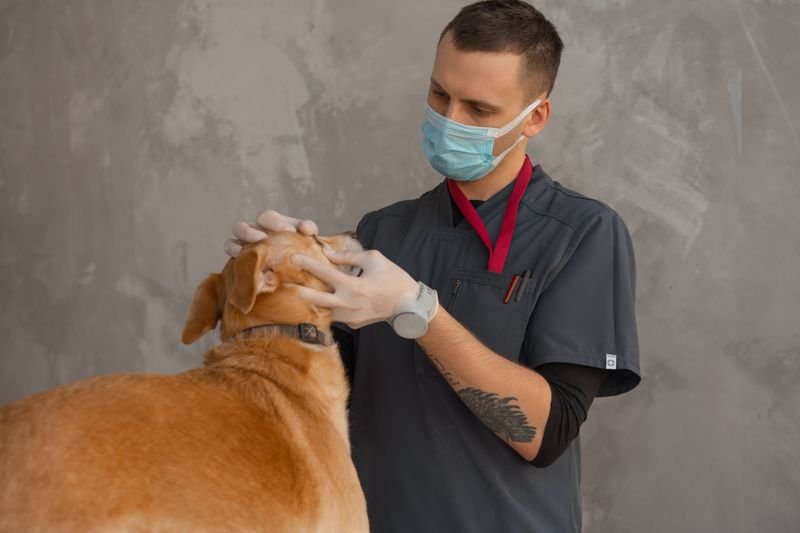
Both options have a place in your pet’s dental care. The trick is knowing which one fits your situation. Here’s an honest comparison.
Side-by-side comparison
| Anesthesia-Free | Traditional Vet Cleaning | |
|---|---|---|
| Anesthesia | None — pet stays awake | General anesthesia required |
| Fasting & recovery | None | Fasting + a recovery day |
| Cleans below the gumline | No | Yes |
| X-rays & extractions | No | Yes |
| Best for | Routine maintenance, senior pets | Severe disease, surgery |
| Typical cost | $185–$270 | $600–$1,200 |
| Where it happens | At your home | At the clinic |
When to choose anesthesia-free
Choose anesthesia-free cleaning when your pet is generally healthy and you want to control plaque and tartar, freshen breath and maintain a bright smile between vet visits. It shines for senior pets and anesthesia-sensitive dogs, and it’s far gentler on your schedule — no fasting, no recovery, and we come to you.
When to choose a veterinary cleaning
Choose a full veterinary cleaning when there’s disease below the gumline: loose or broken teeth, significant pain, heavy bleeding, or anything that needs X-rays and extractions. Only anesthesia allows a vet to safely probe, image and treat below the gumline.
They’re partners, not rivals
The smartest approach for most pet parents is to use both: regular anesthesia-free cleanings to stay ahead of buildup, plus a veterinary dental exam to catch deeper problems early. That’s exactly why our service is upfront about being preventive and cosmetic — and why we refer pets to a vet when they need one.
Not sure which your pet needs? Start with a free assessment or read how anesthesia-free cleaning works.