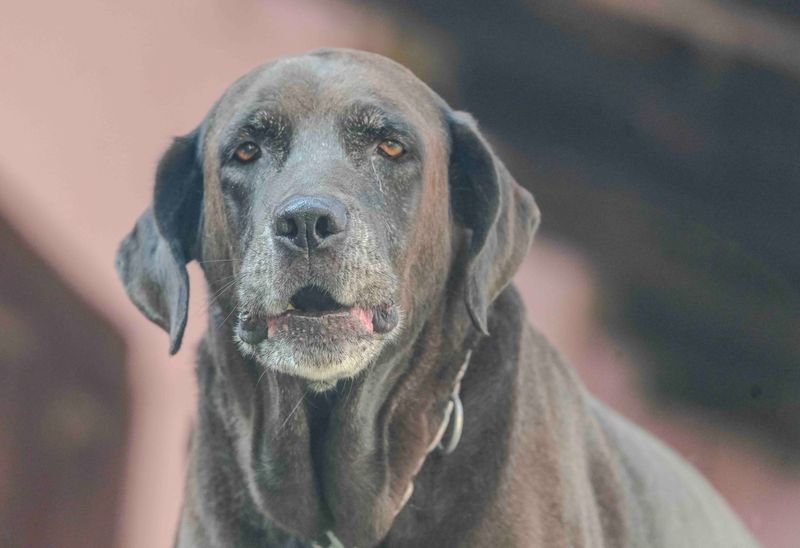
Many owners of senior dogs avoid dental care entirely, worried their old friend can’t handle anesthesia. The good news: keeping those teeth clean doesn’t have to mean anesthesia at all.
Why anesthesia is the real concern
The worry isn’t the cleaning — it’s the general anesthesia that a traditional cleaning requires. For older dogs, and those with heart, kidney or liver conditions, anesthesia carries higher risk. That fear leads many owners to skip cleanings, which lets dental disease (and its pain) get worse.
Why anesthesia-free is often the safer choice for seniors
Anesthesia-free cleaning removes plaque and tartar while your dog stays awake — so there’s:
- No anesthesia risk
- No fasting beforehand
- No groggy recovery day
- No clinic trip (we come to you)
For a senior dog that just needs routine tartar control and fresher breath, it’s a gentle, low-stress way to protect their health.
When a senior dog still needs a vet
Anesthesia-free cleaning is preventive and cosmetic. If your older dog has:
- Loose, broken or infected teeth
- Severe periodontal disease
- A need for X-rays or extractions
…then a veterinarian is the right call, and they’ll weigh the anesthesia risk with you.
Start with an assessment
Every visit begins with a free assessment. If your senior dog is a comfortable candidate, we’ll gently clean; if not, we’ll tell you honestly and point you to a vet.
Give your older dog a healthier smile without the anesthesia worry — learn about our gentle approach or book an assessment.